
Amazing place for kids to learn taekwondo. Clean. Respectful. Friendly. Considerate. Professional. Highly recommended!...
Read More 11 Robert Toner Boulevard #2, North Attleboro, Massachusetts 02763
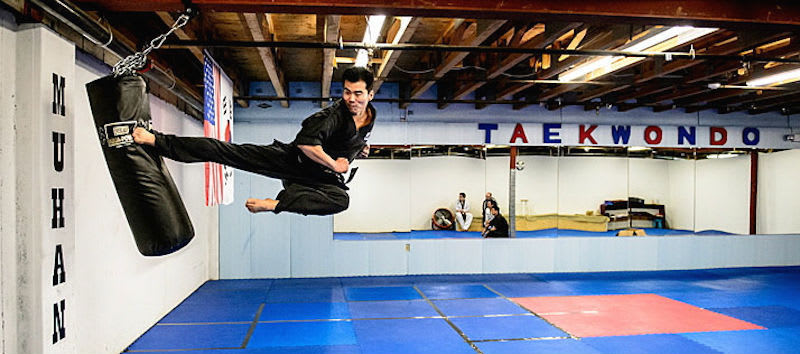
Mu Han Means No Limits! Set A Goal, Attain It, And Then Make A New Goal!
Request more information
Amazing place for kids to learn taekwondo. Clean. Respectful. Friendly. Considerate. Professional. Highly recommended!...
Read More
The Mu Han spirit that Master Oh and the Mu Han community embody is one that displays great skill, knowledge, and discipline. Not only does this dojang train a student's physical condition, but it als...
Read More
My son has been at the studio since he was 5 years old. He is now 18, and an instructor himself. He has always been respected, even as a young child, he has been able to grow and mature at his own pac...
Read More
My daughter started at Mu Han when she was 3 years old. She's now a black belt and her brother who used to watch her sitting in the carriage is now following in her footsteps and they both love. Yo...
Read More
Our son began Martial Arts at MuHan about 2 years ago. He tends to be shy and timid at times but he has learned to be bold and confident at MuHan. The instructors all know the kids by name and do a...
Read More
Watching my Grandson look up to his Sensei and Master..Role models are important. I was looking for the Best Martial Arts, a place where my grandson would not only learn this type of Martial arts but ...
Read MoreThe experience at Mu Han Total Martial Arts is like no other due to how we honor tradition and foundational knowledge. Our elite instructors instill confidence and resilience in students by teaching them to focus on personal improvement. Classes at Mu Han Total Martial Arts allow you to practice problem solving, learn self-defense and develop discipline. Physical and mental strength go hand-in-hand during training and bring balance in your lifestyle as a martial artist. Our martial arts and Taekwondo classes are an escape from the world and a space for you to dedicate focus to your personal wellbeing and growth.
We lead by example at Mu Han Total Martial Arts. With more senior Korean trained masters than any other martial arts school, we are rooted in experience and heritage. Thanks to this high quality instruction, our students find a new sense of pride and success while receiving a deeper knowledge of martial arts. Our students’ ability to achieve in martial arts is infectious – they’ll begin achieving in their academic and work lives too. It’s never too late to start improving yourself and your state of mind. We offer kids and adult martial arts classes so everyone is able to experience the benefits of training! As part of the World Taekwondo Federation, Mu Han Martial Arts is proud to continue the foundational teachings of Taekwondo, supplemented by additional martial arts systems.
Our promise to those who partake in the Mu Han lifestyle is to train safely and provide the quality instruction you need in order to become the best version of yourself. We will guide you to high achievements and success regardless of your background. Come visit us at Mu Han Martial Arts headquarters in North Attleboro or our other locations in Taunton, Plymouth, and Franklin!
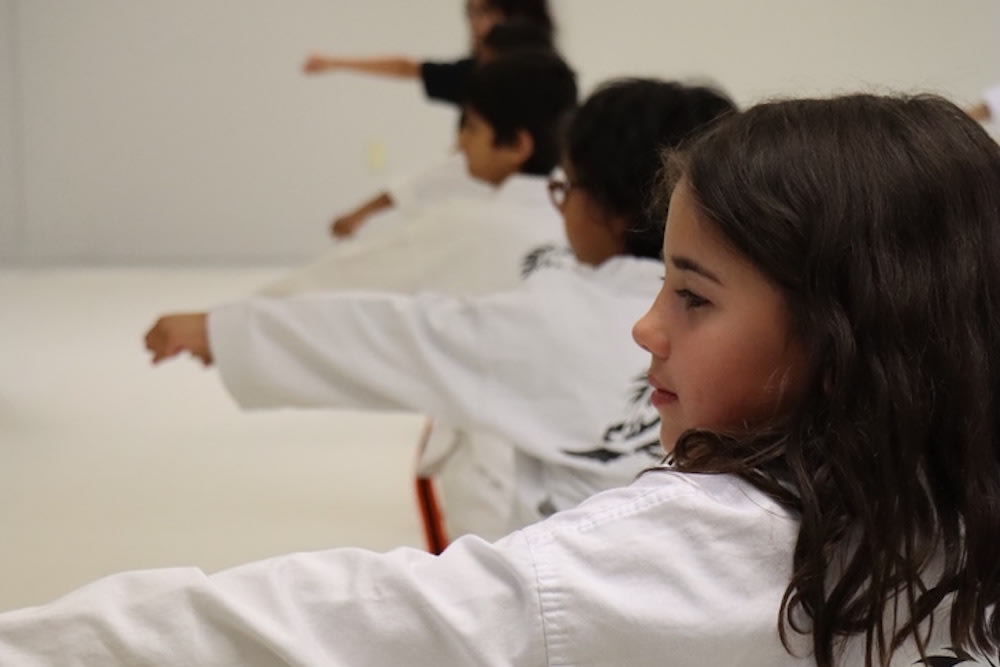
Mu Han Total Martial Arts & Taekwondo classes are exactly what you're looking for. Mu Han Total Martial Arts will help your child succeed and reinforce the life skills that will put them on the path to a bright future.
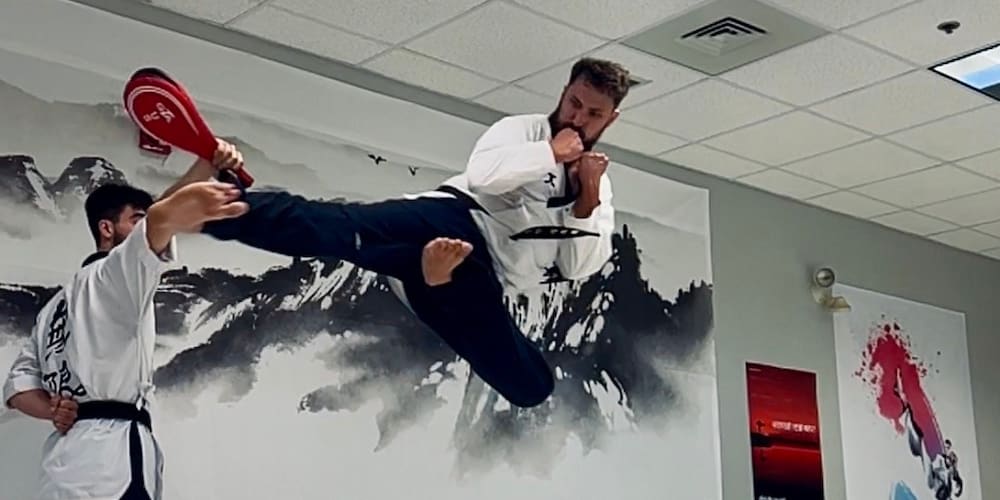
Mu Han Total Martial Arts can change you from the inside out! Our Adult Martial Arts program focuses on fundamental to advanced Taekwondo and Martial Arts skills are well as street level self-defense techniques. Our program is a great way to stay in shape, while learning this incredible Martial Arts.
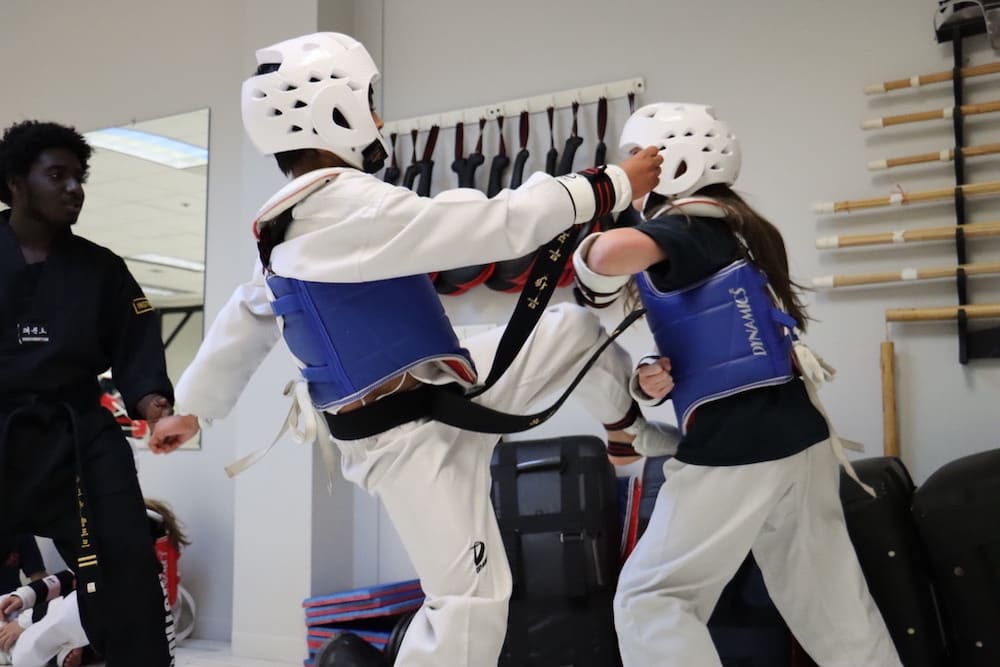
Our Olympic Taekwondo Competition Sparring team in North Attleboro offers you or your child a chance to train and compete in tournaments all over North Attleboro, Attleboro, and more! Learn more about this incredible program and get started today!

Amazing place for kids to learn taekwondo. Clean. Respectful. Friendly. Considerate. Professional. Highly recommended!
The Mu Han spirit that Master Oh and the Mu Han community embody is one that displays great skill, knowledge, and discipline. Not only does this dojang train a student's physical condition, but it also excels in building confidence, character, and other skills for the student to succeed outside the classroom setting as well. I have attended Mu Han Martial Arts for 8 years and can attest to the fact that this community has helped me grow as a student and human being. I would recommend Mu Han Martial Arts for absolutely anyone regardless of age. It is an experience you will never forget!
My son has been at the studio since he was 5 years old. He is now 18, and an instructor himself. He has always been respected, even as a young child, he has been able to grow and mature at his own pace, and always has been compared to himself, and not to others. Great environment and outstanding instructors.